Why Phishing Attacks Spike In August
You and your employees may be getting back from vacation, but cybercriminals never take a day off. In fact, data shown in studies from vendors ProofPoint and Check Point indicate that phishing attempts actually spike in the summer months. Here’s how to stay aware and stay protected.
Don’t only check for misspellings and poorly formatted sentences in the body of e-mails; AI can write e-mails for attackers just like it can for you. Also examine the e-mail address of the sender and the text of the link itself, if visible, to make sure everything looks legitimate.
Misspellings in the link text or unusual domain endings, like .today or .info, can be an indicator of an attack. Domain endings like these are often used in scam sites.
It’s always better to search for the website yourself, rather than clicking on links in any messages or e-mails.
Setting up MFA ensures that even if a breach does occur within your company, your login credentials will remain protected – and so will any data secured behind them.
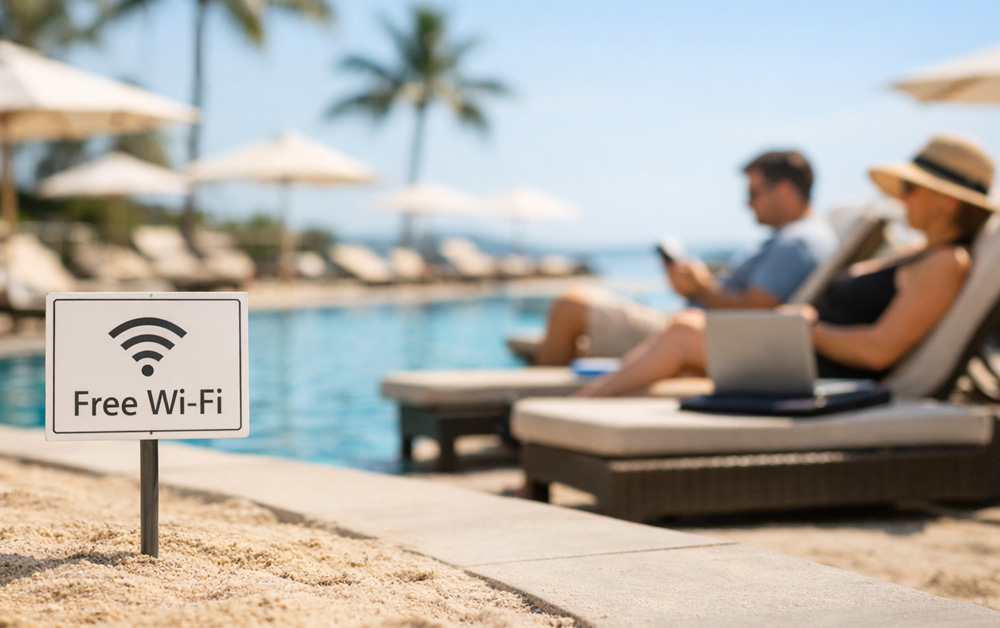
If you need to use public WiFi, use a VPN for additional protection when accessing secure information, like booking portals or bank accounts.
Accessing personal e-mail, messaging or social media accounts on business devices increases your risk. Keep personal accounts on your personal devices, and work-related accounts on the work devices.
Endpoint detection and response (EDR) software can monitor your desktops and mobile devices, detect and block phishing attempts and malicious downloads, and alert your MSP immediately in the event of a breach, drastically limiting your data’s exposure.