Cybersecurity Myth Busters: 6 Things Accounting Firms Still Get Wrong
October is Cybersecurity Awareness Month, and it is a good time to take stock of what your firm actually knows versus what it thinks it

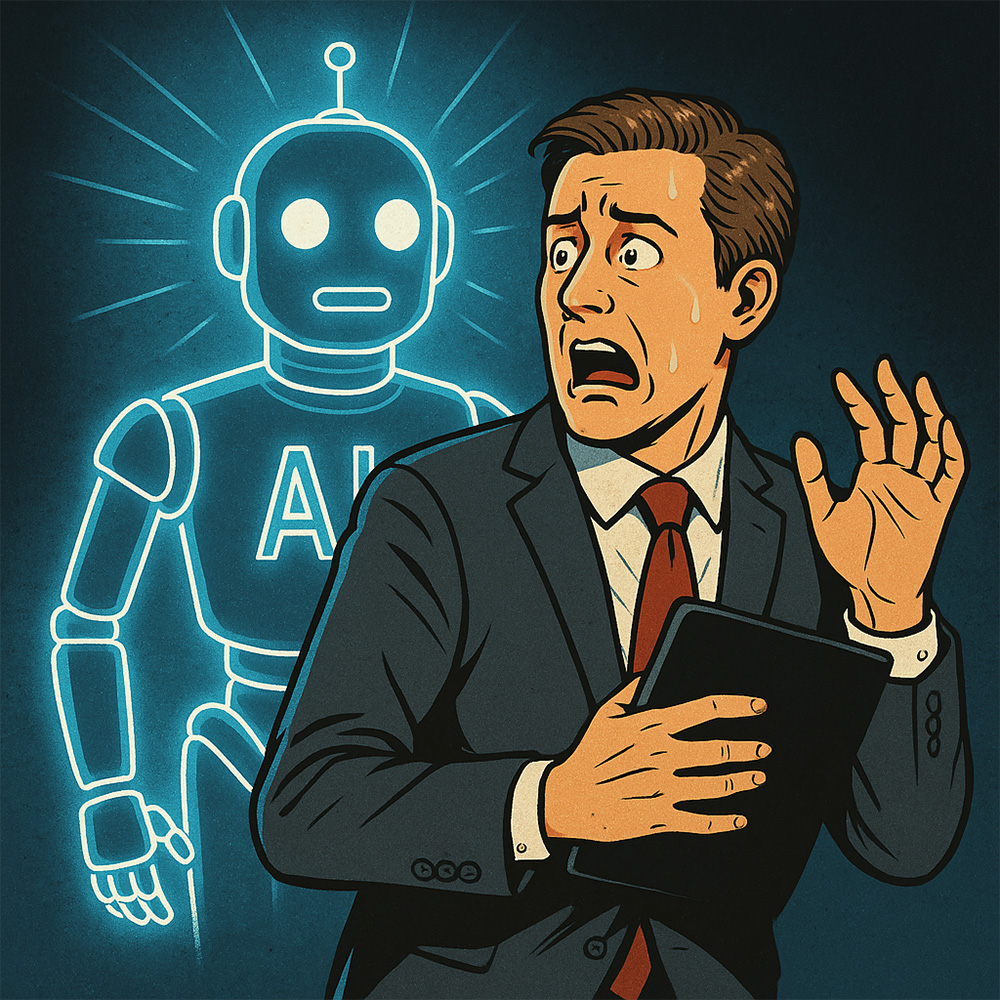
AI-generated deepfakes have become scarily accurate, and threat actors are using that to their advantage in social engineering attacks against businesses.
For example, there was a recent incident observed by a security vendor where an employee of a cryptocurrency foundation joined a Zoom meeting with several deepfakes of known senior leadership within their company. The deepfakes told the employee to download a Zoom extension to access the Zoom microphone, paving the way for a North Korean intrusion.
For businesses, these types of scams are turning existing verification processes upside down. To identify them, look for red flags such as facial inconsistencies, long silences or strange lighting.
Phishing e-mails have been a problem for years, but now that attackers can use AI to write e-mails for them, most of the obvious tells of a suspicious e-mail, like bad grammar or spelling errors, aren’t a good way to spot them anymore.
Threat actors are also integrating AI tools into their phishing kits as a way to take landing pages or e-mails and translate them into other languages. This can help threat actors scale their phishing campaigns.
However, many of the same security measures still apply to AI-generated phishing content. Extra defenses like multifactor authentication (MFA) make it much harder for attackers to get through, since they’re unlikely to also have access to an external device like your cell phone. Security awareness training is still extremely useful for reducing employee risk, teaching them other red-flag indicators to look for, such as messages expressing urgency.
Attackers are riding on the popularity of AI as a way to trick people into downloading malware. We frequently see threat actors tailoring their lures and customizing their attacks to take advantage of popular current events or even seasonal fads like Black Friday. So, attackers using things like malicious “AI video generator” websites or fake malware-laden AI tools doesn’t come as a surprise. In this case, fake AI “tools” are built with just enough legitimate software to make them look legitimate to the unsuspecting user – but underneath the surface, they’re chock-full of malware.
For instance, a TikTok account was reportedly posting videos of ways to install “cracked software” to bypass licensing or activation requirements for apps like ChatGPT through a PowerShell command. But, in reality, the account was operating a malware distribution campaign, which was later exposed by researchers.
Security awareness training is key for businesses here too. A reliable way to protect your business is to ask your MSP to vet any new AI tools you’re interested in before you download them.
AI threats don’t have to keep you up at night. From deepfakes to phishing to malicious “AI tools,” attackers are getting smarter, but the right defenses will keep your business one step ahead.
Schedule your free discovery call today and let’s talk through how to protect your team from the scary side of AI … before it becomes a real problem.
Complete this form to Schedule a free discovery call. Or call us at 1-833-231-6182 to get started.

October is Cybersecurity Awareness Month, and it is a good time to take stock of what your firm actually knows versus what it thinks it

Most accounting firms know they should have a disaster recovery plan. But few have one that is current, tested and complete. That is not always

If you are like most practice owners, you are always looking for ways to save time. New software, AI tools and productivity systems all promise